DASH Diet Meal Plan Guide!
The DASH (Dietary Approaches to Stop Hypertension) diet is a proven, effective way to achieve these goals. This guide provides an easy-to-follow, balanced meal plan designed to help you cut down on your sodium intake, while boosting your heart health.
By incorporating nutrient-rich foods and making mindful choices, you can enjoy delicious meals that support your well-being. Why not boost your heart health with balanced, low-sodium meals!

Understanding the DASH Diet
The DASH diet emphasizes the consumption of fruits, vegetables, whole grains, lean proteins, and low-fat dairy products. It limits foods high in saturated fats, cholesterol, and sodium. The primary goal is to reduce blood pressure and improve overall cardiovascular health.
By focusing on nutrient-dense foods, the DASH diet provides essential vitamins, minerals, and fiber, which are crucial for maintaining a healthy heart.
Key Components of the DASH Diet
The DASH diet is built around several core principles:
Fruits and Vegetables: Aim for 4-5 servings of each per day. These foods are rich in potassium, magnesium, and fiber, which help regulate blood pressure.
Whole Grains: Include 6-8 servings daily. Whole grains provide essential nutrients and help maintain steady blood sugar levels.
Lean Proteins: Consume 2 or fewer servings of lean meats, poultry, or fish per day. Plant-based proteins like beans, nuts, and seeds are also encouraged.
Low-Fat Dairy: Incorporate 2-3 servings of low-fat or fat-free dairy products daily. These provide calcium and vitamin D, which are important for heart health.
Healthy Fats: Use healthy fats like olive oil, avocados, and nuts in moderation. Limit saturated and trans fats.
DASH Diet Meal Plan Guide
Breakfast Ideas:
Start your day with a nutritious breakfast that sets the tone for healthy eating. Here are some DASH-friendly breakfast options:
Oatmeal with Fresh Berries: Cook oats with low-fat milk and top with a handful of fresh berries and a sprinkle of nuts.
Greek Yogurt Parfait: Layer low-fat Greek yogurt with sliced fruits and a drizzle of honey. Add a spoonful of granola for crunch.
Veggie Omelette: Whisk eggs with a splash of low-fat milk and cook with a variety of chopped vegetables like spinach, tomatoes, and bell peppers.
Lunch Options:
For lunch, focus on balanced meals that include lean proteins, whole grains, and plenty of vegetables:
Quinoa Salad: Mix cooked quinoa with diced cucumbers, cherry tomatoes, red onions, and a light vinaigrette. Add grilled chicken or chickpeas for protein.
Turkey and Avocado Wrap: Spread hummus on a whole-grain tortilla, add sliced turkey, avocado, lettuce, and tomato. Roll up and enjoy.
Lentil Soup: Prepare a hearty lentil soup with carrots, celery, onions, and spinach. Serve with a side of whole-grain bread.
Dinner Recipes:
End your day with a satisfying dinner that supports your heart health:
Baked Salmon with Asparagus: Season salmon fillets with herbs and lemon juice, then bake alongside asparagus spears. Serve with a side of brown rice.
Chicken Stir-Fry: Sauté lean chicken breast with a mix of colorful vegetables like bell peppers, broccoli, and snap peas. Serve over quinoa or brown rice.
Stuffed Bell Peppers: Fill bell peppers with a mixture of ground turkey, brown rice, black beans, and diced tomatoes. Bake until tender.
Practical Tips for Reducing Sodium
Reducing sodium intake is a key aspect of the DASH diet. Here are some practical tips to help you cut back on sodium:
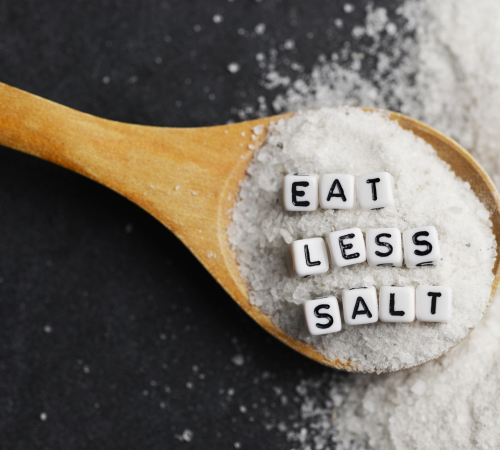
Read Labels: Check nutrition labels for sodium content and choose low-sodium or no-salt-added options.
Cook at Home: Preparing meals at home allows you to control the amount of salt used. Experiment with herbs, spices, and citrus to enhance flavor without adding salt.
Limit Processed Foods: Processed and packaged foods often contain high levels of sodium. Opt for fresh, whole foods whenever possible.
Rinse Canned Foods: If using canned beans or vegetables, rinse them under water to remove excess sodium.
Sodium Recommendations
Strive to keep your sodium intake under 2,300 milligrams daily. By maintaining this level of sodium consumption, you are taking a proactive step towards reducing the risk of developing high blood pressure, heart disease, and stroke.
For those managing high blood pressure, aim for a target of 1,500 milligrams per day. It's a small change that can make a big difference in your well-being. Lowering your sodium intake to this level can significantly help in controlling hypertension, thereby reducing the strain on your heart and blood vessels.
Conclusion
The DASH diet is a powerful tool for improving heart health and reducing sodium intake. By following this balanced meal plan and incorporating the practical tips provided, you can enjoy delicious, nutrient-rich meals that support your well-being. Start making these changes today and experience the benefits of a healthier heart and a more vibrant life.
Embrace the opportunity to transform your eating habits and witness the positive impact on your energy levels, mood, and long-term health.
Ready to take control of your heart health? Start incorporating these DASH diet principles into your daily routine and see the difference it can make.
Affiliate Disclaimer Medical Disclaimer Terms & Conditions Privacy Policy
©2025 - HealthyVitalVision.com - All rights reserved